Sustainability is no longer a choice for brands; it’s a must now. Many brands are trying to reduce waste and find better ways to package their products. One of the most effective ways is by using PCR packaging a solution that’s becoming very popular in food, beauty, and retail industries. If your business values eco-friendly innovation, you can also explore creative and eco-friendly ways to package your soap and other sustainable packaging ideas to match your brand’s values.
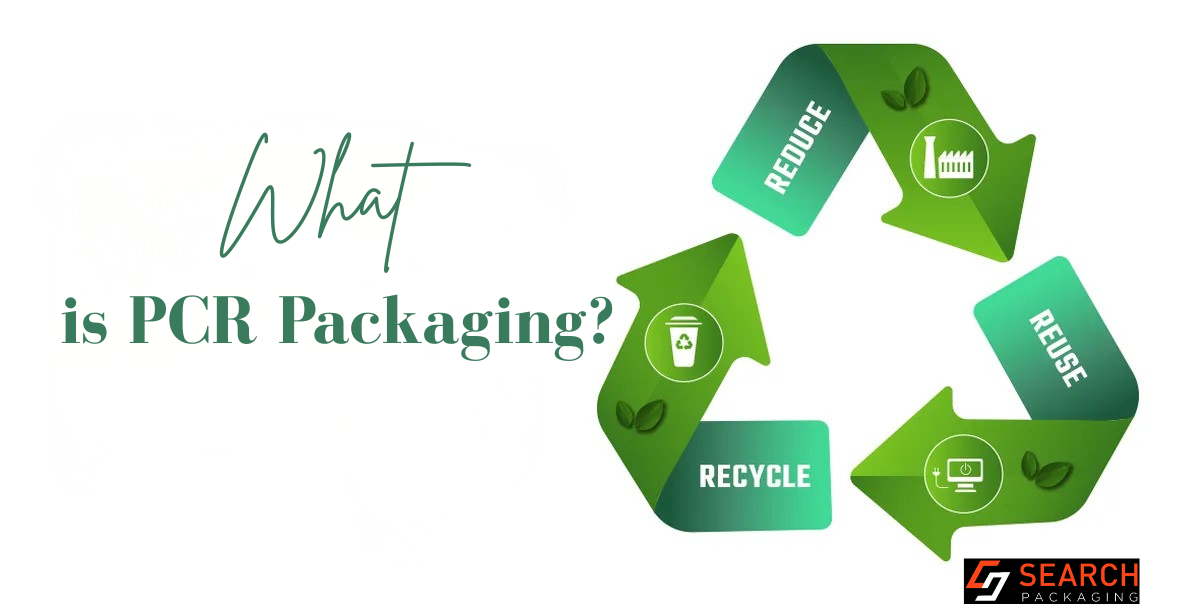
What Is PCR Packaging?
PCR means Post-Consumer Recycled. It comes from plastic that consumers have already used. For example, bottles and containers that end up in recycling bins are collected and processed into new packaging materials.
This process gives plastic a second life reducing the need to make new plastic from scratch. Many packaging companies in the USA are investing in PCR packaging technology to meet sustainability goals and environmental regulations.
How PCR Packaging Is Made
The process starts by collecting used plastics from recycling stations. These go through several steps:
- Sorting: Plastics are separated by type and color.
- Cleaning: All labels, adhesives, and residues are removed.
- Shredding: The clean plastic is broken into flakes or small pieces.
- Reforming: These flakes are melted and molded into new packaging materials.
By using PCR materials, brands save energy and minimize environmental impact making packaging more efficient and responsible.
Benefits of PCR Packaging
1. Environmental Benefits
PCR packaging significantly reduces plastic waste and greenhouse gas emissions. It prevents more plastic from ending up in landfills and oceans. The use of PCR aligns with eco-friendly packaging practices that focus on a cleaner planet.
2. Stronger Brand Image
Customers prefer brands that care for the environment. Using PCR packaging signals that your brand supports sustainability just like how custom packaging for small businesses can reflect brand identity and environmental values.
3. Cost Savings Over Time
While the initial cost of PCR packaging can be higher, it helps lower waste management expenses in the long run and prevents penalties related to plastic waste laws.
4. Regulatory Compliance
Many regions now require businesses to use a percentage of recycled materials in packaging. PCR packaging helps companies easily meet these legal requirements.
Challenges of PCR Packaging
1. Quality Variations
Since PCR comes from recycled materials, the color or texture might slightly vary compared to virgin plastic. However, AI tools for packaging design are helping manufacturers enhance quality control and consistency.
2. Higher Initial Costs
Processing and cleaning recycled materials can be costly. But as recycling technology improves, the gap between PCR and virgin plastic pricing is narrowing.
3. Limited Supply
Some regions lack efficient recycling systems, which can make PCR materials harder to source. Still, as more packaging companies in the USA adopt sustainable practices, supply chains are rapidly improving.
PCR Packaging vs. Virgin Plastic
Both types look similar, but their environmental impact is very different. Virgin plastic is made from fossil fuels and releases higher greenhouse gas emissions. PCR, on the other hand, reuses existing plastic waste which reduces pollution and conserves resources. Businesses focusing on sustainable packaging innovation are quickly shifting from virgin to PCR plastic to meet their sustainability goals.
When Should You Use PCR Packaging?
PCR packaging is ideal for brands that want to:
- Promote sustainability and protect the planet.
- Build customer trust through eco-conscious branding.
- Comply with environmental packaging laws.
- Strengthen their Corporate Social Responsibility (CSR) goals.
It’s great for food, beauty, cleaning, and apparel industries. For instance, companies selling cosmetic packaging are using PCR materials to attract environmentally aware consumers.
The Future of PCR Packaging
As recycling technology improves, PCR packaging will become cheaper, clearer, and more durable. Brands investing early will benefit from reduced costs and better brand reputation. Even top corrugated box manufacturers in the USA are shifting toward PCR and biodegradable materials to meet eco-packaging demand.
Final Words
PCR packaging is one of the best solutions for brands looking to reduce waste without compromising on quality. It helps minimize carbon footprint, strengthens brand image, and prepares businesses for a greener future. If your brand wants to explore modern packaging strategies, check out Search Packaging a platform where you’ll find guides, design tips, and insights into sustainable packaging trends.
FAQs About PCR Packaging
What does PCR mean in packaging?
PCR stands for Post-Consumer Recycled packaging made from used plastics that are reprocessed into new materials.
Can PCR packaging be used for food?
Yes, when manufactured under safety standards, PCR packaging is food-safe and widely used in the food industry.
How different does PCR look from virgin plastic?
There’s little to no difference visually, though slight variations in color may occur.
Is PCR packaging more expensive?
Slightly, but as sustainable packaging technologies evolve, prices continue to decrease.
Can PCR packaging be recycled again?
Yes, PCR packaging is recyclable and supports a circular economy helping brands achieve long-term sustainability goals.